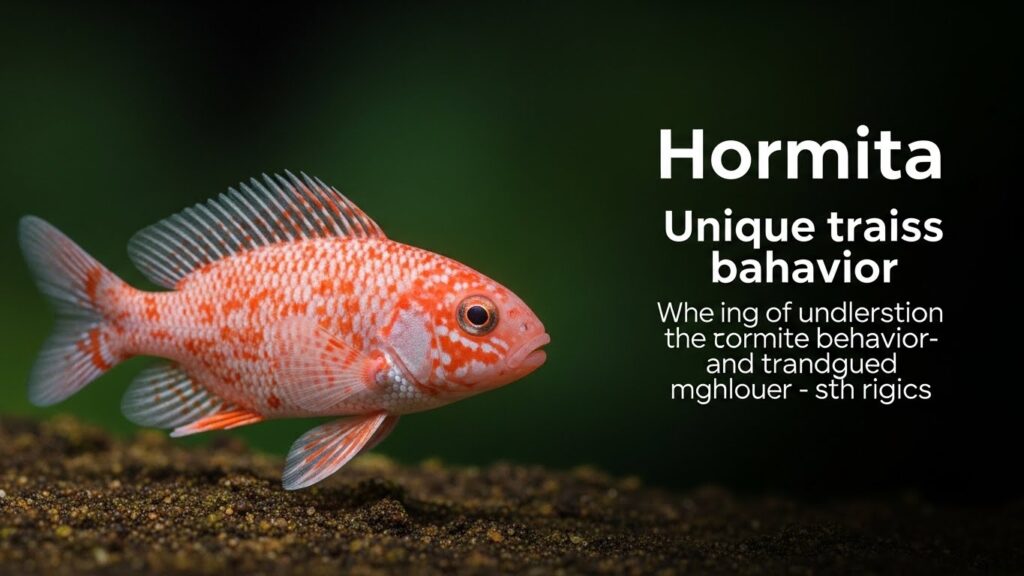
Welcome to the captivating world of Hormita! This intriguing species has fascinated researchers and nature enthusiasts alike with its unique traits and behaviors. From their striking appearance to their complex social structures, there’s so much more than meets the eye. As we dive into the remarkable characteristics that define Hormita, prepare to be amazed by what these creatures bring to our planet’s biodiversity. Whether you’re a seasoned biologist or simply curious about wildlife, there’s something in store for everyone as we explore this extraordinary species together.
Physical Characteristics and Appearance
Hormita species exhibit striking physical characteristics that captivate observers. With their vibrant colors, they stand out in their natural environment. The hues can range from deep blues to bright yellows, often serving as a form of communication among peers.
Their body structure is equally fascinating. Hormitas typically possess elongated limbs and streamlined bodies, which aid in agile movement through dense habitats. This design allows them to navigate both terrestrial and arboreal landscapes with ease.
Eyes are another noteworthy feature; large and expressive, they provide excellent vision even in low-light conditions. Their keen eyesight helps them spot predators or prey from great distances.
Additionally, some Hormita have unique markings on their skin that serve as camouflage against potential threats. These patterns change slightly with the seasons, showcasing an incredible adaptability to varying environments. Such traits make the Hormita not only intriguing but also essential players within their ecosystems.
Habitat and Distribution
Hormita thrive in diverse environments, showcasing adaptability that is truly remarkable. These creatures are often found in tropical rainforests, where the humidity and rich foliage provide ample resources for their survival.
Their distribution spans several regions across continents. From the dense jungles of Southeast Asia to the lush canopies of Central America, Hormita have carved out a niche unique to their species.
They prefer areas with abundant vegetation and access to water sources. This preference not only supports their dietary needs but also offers protection from predators.
Interestingly, some populations have adapted to coastal habitats, balancing life between land and sea. Such flexibility highlights their resilience and ability to exploit various ecosystems effectively.
Studying these habitats reveals much about how Hormita interact within their surroundings while maintaining ecological balance. Their presence serves as an indicator of environmental health in these vibrant ecosystems.
Social Behavior and Hierarchy
Hormita exhibit a fascinating social structure that captivates researchers and enthusiasts alike. Within their groups, a clear hierarchy emerges. The dominant individuals tend to assert their status through displays of strength and strategic interactions.
Communication plays a vital role in maintaining this hierarchy. Hormita utilize various vocalizations and body language to convey messages about territory and breeding rights. This complex communication system fosters cooperation among members while also establishing boundaries.
The social bonds formed within these communities are noteworthy as well. Hormita engage in grooming behaviors that strengthen relationships between individuals, reinforcing loyalty and trust among the group members.
Interestingly, when resources become scarce or threats arise, hormonal changes can shift social dynamics rapidly, altering hierarchies almost overnight. This adaptability showcases their resilience in navigating the challenges presented by both environmental factors and intragroup competition.
Unique Traits and Adaptations
Hormita possess an array of remarkable traits that set them apart from other species. Their vibrant coloration not only captivates but also serves as a form of camouflage, helping them blend seamlessly into their surroundings.
One fascinating adaptation is their ability to communicate through intricate vocalizations. These sounds convey complex messages among group members, enhancing their social cohesion.
Additionally, Hormita have developed specialized feeding mechanisms. Their unique beak structure allows for efficient extraction of nutrients from hard-to-reach sources, ensuring they thrive in various environments.
Another intriguing feature is their reproductive strategy. They exhibit parental care behaviors rarely seen in similar species, increasing the survival rate of offspring and strengthening community bonds.
These adaptations showcase the resilience and ingenuity of Hormita in navigating challenges within their habitats while maintaining a rich social fabric.
Threats and Conservation Efforts
Hormita faces several threats in its natural habitat. Habitat destruction is a significant concern, often driven by urbanization and agriculture. As forests shrink, these intriguing creatures lose their homes.
Additionally, climate change plays a role in altering Hormita’s environment. Fluctuations in temperature and weather patterns can disrupt breeding cycles and food availability.
Conservation efforts are underway to protect this unique species. Several organizations focus on habitat restoration initiatives. These projects aim to rehabilitate areas that have suffered from deforestation.
Awareness campaigns also play an essential role. Educating the public about the importance of preserving Hormita encourages more people to get involved with conservation work.
Collaboration between governments, local communities, and environmental NGOs has become vital for success. Together, they strive to create sustainable practices that benefit both the ecosystem and Hormita’s future survival.
Conclusion: The Fascinating World of Hormita
The world of Hormita is truly captivating. This species showcases a range of unique physical characteristics that set it apart. From its striking appearance to the intricate patterns and colors, each Hormita is a marvel in itself.
Their habitat reveals much about their adaptability. Found across various regions, these creatures have established themselves in diverse ecosystems. Observing how they interact with their environment offers insights into their resilience and resourcefulness.
Social behavior within Hormita communities adds another layer of intrigue. The hierarchy and relationships observed among them reflect complex interactions that are both fascinating and essential for survival.
Unique traits such as specialized feeding habits or communication methods highlight the evolutionary paths taken by this species over generations. Adaptations allow them to thrive where many others cannot, underscoring nature’s ingenuity.
However, threats loom large for Hormita populations due to environmental changes and human activities. Conservation efforts are crucial in preserving not just this intriguing species but also the rich biodiversity they represent.
Exploring the life of Hormita opens up avenues for deeper understanding and appreciation of our planet’s natural wonders. Each facet contributes to an ever-evolving narrative filled with surprises waiting to be uncovered.